


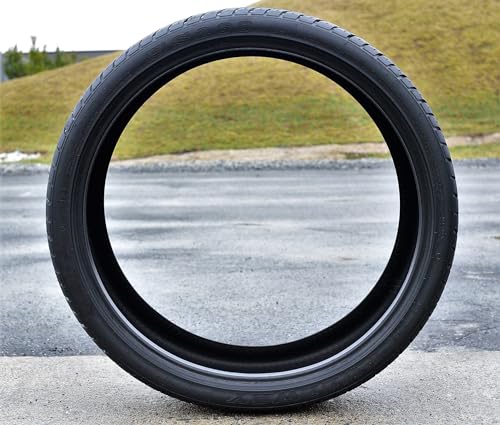

Fullway HS266 Winter Tire | Secure Traction for Snow & Ice
Our HS266 winter tire is engineered to keep you moving safely when temperatures drop below freezing and roads become treacherous. This tire features a directional tread pattern with high-density 3D sipes that bite into snow and evacuate slush, delivering the confident traction you need during the harshest months of the year.
The HS266 is built with a specialized winter compound that remains flexible in cold weather, ensuring consistent grip on icy surfaces where all-season tires lose their effectiveness. We designed this tire with a stud-ready construction, giving you the option to add metal studs for extreme ice conditions in regions where they're legal. Whether you're commuting through snowy city streets or navigating mountain passes, the HS266 provides the winter performance and peace of mind your vehicle deserves.
HS266 construction & performance highlights
Tread design & winter compound technology
The Fullway HS266 tire employs a directional V-shaped tread pattern that channels snow, slush, and water away from the contact patch with exceptional efficiency. This design isn’t just about aesthetics—it’s a functional approach that reduces the risk of your tires packing with snow and losing grip.
Our engineers incorporated thousands of 3D interlocking sipes across the tread blocks, creating biting edges that grip ice crystals and provide the traction physics demanded by winter driving. The rubber compound itself contains silica additives that prevent the tire from hardening when temperatures plummet, a common failure point in all-season tires during winter months. This flexibility allows the tread to conform to microscopic road surface irregularities, maximizing the contact area even on glare ice.
Sizing, fitment & load specifications
We manufacture the HS266 in a comprehensive range of sizes to fit most passenger vehicles and light trucks commonly driven in winter climates. Sizes span from compact car fitments like 185/65R14 to light truck applications up to 235/70R16, covering sedans, crossovers, SUVs, and pickup trucks.
Each tire is marked with its load index and speed rating—typically ranging from load index 85 to 112 and speed ratings of T (118 mph) or H (130 mph), appropriate for winter conditions where high-speed driving is rarely advisable. Before ordering, verify your vehicle’s recommended tire size on the placard located inside the driver’s door jamb or in your owner’s manual.
Installation, stud options & maintenance
Mounting and balancing
We recommend professional installation of your Fullway HS266 tires to ensure proper mounting, balancing, and inflation. Winter tires require the same installation standards as any performance tire—clean rim surfaces, correct bead seating, and precise balancing to prevent vibration. Proper torque on lug nuts is critical, typically 80-100 ft-lbs for passenger vehicles, though you should always confirm your vehicle manufacturer’s specifications.
Stud installation guidelines
If you choose to add studs for extreme ice conditions, have them installed by a qualified tire shop before the tire is driven. Studs must be seated correctly and allowed to wear in gradually over the first 50-100 miles of gentle driving. We position 12-16 stud holes per tread row depending on tire size, creating an effective ice-gripping matrix without excessive road noise. Remember that studded tires are restricted or prohibited in some jurisdictions during specific months, so verify local regulations.
More winter tires from Fullway


Rated 4.8 by verified buyers

Common questions about the HS266 winter tire
Yes, the HS266 carries the Three Peak Mountain Snowflake (3PMSF) certification, which means it has passed standardized testing for severe snow service. This certification indicates the tire meets specific traction performance requirements in snow that exceed what all-season tires can provide.
The HS266 is designed for regions that experience regular snow, ice, and freezing temperatures throughout winter. For extreme ice conditions, the tire's stud-ready design allows you to add metal studs for additional grip, making it adaptable to the most challenging winter climates.
Most drivers can expect 30,000 to 40,000 miles from HS266 tires when used exclusively during winter months and stored properly during warmer seasons. Actual tread life depends on several factors including driving habits, road conditions, vehicle weight, and whether the tires are studded.
To maximize lifespan, rotate your tires every 5,000 to 7,000 miles, maintain proper inflation pressure, and remove them for storage when temperatures consistently exceed 45°F. Winter tire compounds are formulated for cold weather and will wear faster if driven extensively on hot, dry pavement during summer months.
Studs provide additional grip on ice and are most beneficial if you regularly drive on icy roads, live in mountainous terrain, or experience frequent freezing rain. The HS266's stud-ready design accommodates TSMI #12 or #13 studs if you choose to add them.
However, studs create additional road noise, reduce fuel efficiency slightly, and are prohibited or restricted in some states and provinces during certain months. If your winter driving primarily involves snow rather than ice, or if your region treats roads aggressively with salt and chemicals, the HS266 performs well without studs. Consider your specific climate and local regulations before deciding.
We don't recommend using the HS266 or any winter tire year-round. Winter tires use a softer rubber compound that remains flexible in cold temperatures, but this same compound wears rapidly when operated in warm weather above 45°F. Year-round use will significantly reduce tread life and increase your fuel costs due to higher rolling resistance.
Additionally, winter tires provide less responsive handling and longer braking distances on hot, dry pavement compared to all-season or summer tires. For optimal performance, safety, and value, mount your fullway hs266 tires when winter weather arrives and switch to appropriate warm-weather tires once spring temperatures stabilize.
Your correct tire size is printed on the placard inside your driver's door jamb and in your vehicle's owner's manual. The size appears as a series of numbers and letters such as 205/55R16, where 205 is the width in millimeters, 55 is the aspect ratio, R indicates radial construction, and 16 is the rim diameter in inches.
The HS266 is available in sizes ranging from 14-inch to 18-inch rim diameters, covering most passenger cars, crossovers, SUVs, and light trucks. When selecting your size, also note the load index and speed rating to ensure they meet or exceed your vehicle manufacturer's specifications. If you're unsure, contact us with your vehicle year, make, and model and we'll confirm the appropriate fitment.
The HS266 is our versatile winter tire designed for drivers who need reliable snow and ice traction with the option to add studs for extreme conditions. If you face primarily ice rather than snow, our HS998 studless ice tire uses advanced micro-cell compound technology that may provide superior ice grip without requiring studs.
For drivers who prioritize handling and want a winter tire with sportier characteristics, the HS288 performance winter tire offers a different tread design that balances snow capability with more responsive cornering. The HS266 sits in the middle of our winter tire lineup, offering the best combination of versatility, value, and stud compatibility for typical winter driving conditions.
Yes, we strongly recommend installing winter tires on all four wheels for safety and vehicle stability. Mounting winter tires only on the front or rear axle creates a dangerous handling imbalance, particularly during cornering and braking.
If you install winter tires only on the front wheels of a front-wheel-drive vehicle, the rear end may swing out during turns or sudden stops. If you install them only on the rear of a rear-wheel-drive vehicle, the front end will have inadequate steering grip. Modern vehicles with anti-lock brakes and stability control systems are engineered expecting consistent traction at all four corners, so partial winter tire installation can actually reduce the effectiveness of these safety systems.